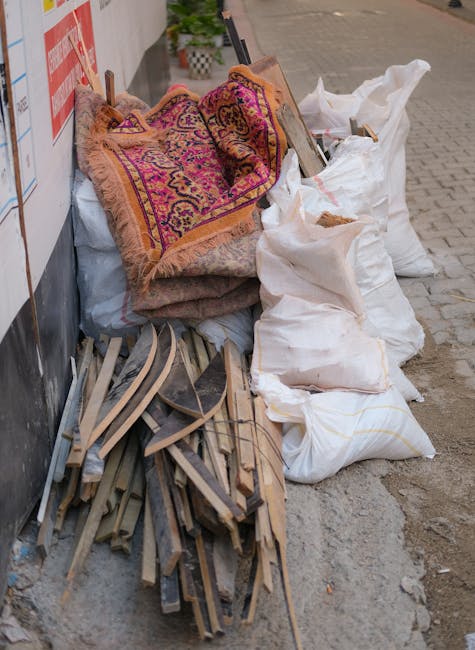
Bulky rug pickup & disposal options in Marylebone
If you have a heavy, awkward rug taking up space in a flat, townhouse, or office in Marylebone, you are not alone. Bulky rug pickup & disposal options in Marylebone can feel confusing at first: can it be carried down the stairs, should it be rolled, does it need special handling, and what is the most sensible way to dispose of it without making a mess of the hallway? The good news is that there are practical, low-stress ways to deal with it. In this guide, we will walk through the main removal routes, what to expect, where people commonly go wrong, and how to choose the cleanest option for your home or business.
Whether the rug is water-damaged, worn out, stained beyond saving, or simply too large to wrestle into a lift, the right approach depends on size, access, timing, and whether you want reuse, recycling, or simple disposal. Let's make it straightforward.
Why Bulky rug pickup & disposal options in Marylebone Matters
Marylebone properties often come with practical constraints that make rug removal trickier than people expect. Narrow stairwells, shared entrances, period buildings, lift restrictions, and time-limited loading access can turn a simple job into a nuisance. A rug that seemed manageable when laid flat suddenly becomes a bulky, floppy thing that catches on banisters and drags grit through the house. Not ideal.
Choosing the right pickup and disposal option matters for three reasons. First, it protects your property. A large rug can easily scuff floors, damage skirting, or leave a trail of dust and fibres. Second, it saves time. The wrong plan often means multiple attempts, a rushed last-minute lift, or an extra round trip to sort out disposal. Third, it supports responsible handling. Many rugs can be assessed for reuse, cleaned, or taken for appropriate recycling routes rather than being dumped without thought.
There is also the plain convenience factor. If you are replacing an old rug with a fresher one, or clearing out after renovation, you probably want the old one gone quickly and with minimal disruption. That is where a proper pickup plan earns its keep. If the rug is still in decent condition, you may also want to consider cleaning before disposal; services such as rug cleaning can sometimes extend its life and make replacement less urgent.
How Bulky rug pickup & disposal options in Marylebone Works
In practice, bulky rug pickup usually follows a simple sequence: assess the rug, decide whether it is reusable or truly at end of life, prepare it for removal, and then choose a disposal route. The details are where things vary. A small wool rug from a bedroom is one thing; a thick, oversized statement rug from a reception room is another entirely.
The main options tend to be:
- Private bulky pickup arranged through a removal or cleaning service that collects the rug from your property.
- Reuse or donation if the rug is still in usable condition and you want to keep it in circulation.
- Recycling or recovery when the materials allow for responsible processing.
- General disposal for rugs that are too worn, contaminated, mould-affected, or damaged to keep.
In a Marylebone setting, access often determines which option is least painful. For example, if a rug is too large to carry safely down a tight staircase, a service that offers collection as part of a broader cleaning or move-out job may be more practical than trying to manage it yourself on a weekday evening after work. And if the rug has pet odour, drink stains, or deep-set soil, a disposal decision may be easier once you know whether treatment is realistic. For contamination and stubborn marks, pet stain and odour removal and stain removal can sometimes change the decision entirely.
A good provider should explain the route clearly: what they will collect, how it will be handled, and whether the rug is being removed as waste, cleaned first, or assessed for recycling. That clarity is worth a lot. Honestly, it removes half the stress.
Key Benefits and Practical Advantages
The biggest benefit of organised rug pickup is that it turns a physical hassle into a manageable task. Instead of wrestling a large item through the house, you have a controlled plan. That sounds basic, but in real life it saves energy, prevents damage, and reduces the chance of an awkward half-finished job sitting in the hallway for three days.
Here are the practical advantages people usually notice most:
- Less physical strain: bulky rugs are heavy, awkward, and often dustier than people remember.
- Cleaner removal: proper wrapping or rolling keeps loose fibres and dirt under control.
- Better property protection: fewer bumps against walls, doors, and stair rails.
- Faster clearance: useful when you are preparing for new flooring, a deep clean, or a move.
- More responsible disposal: easier to separate reusable rugs from genuinely waste material.
There is another benefit that gets overlooked: decision relief. Once you know the rug is being handled properly, you stop circling the same question in your head. Keep it? Dump it? Clean it first? Recycle it? The answer usually becomes clearer after a brief assessment. If the rug is part of a wider refresh, a combined approach may help, especially where adjacent soft furnishings need attention too. For example, sofa cleaning or upholstery cleaning often makes sense alongside rug work in lived-in homes.
Expert summary: The best bulky rug pickup plan is usually the one that protects access routes, avoids unnecessary lifting, and matches the rug's actual condition rather than its sentimental value. That bit is key.
Who This Is For and When It Makes Sense
This topic is relevant to a surprisingly wide range of people. Homeowners clearing out a guest room, tenants at the end of a lease, landlords preparing a flat, office managers replacing worn floor coverings, and families dealing with pet accidents all run into the same question eventually: what do we do with this rug now?
It makes sense to arrange bulky rug pickup when:
- the rug is too large or heavy to carry safely on your own;
- the fibres are frayed, flattened, or beyond practical repair;
- there is lingering damp, mildew, or odour;
- the rug has stains that you no longer want to invest in;
- you are replacing it during a redecorating or moving period;
- shared building access makes DIY disposal awkward;
- you need the item gone on a specific day rather than "sometime soon".
Commercial settings can be a bit different. A small office might have a single large rug in a reception area, while a hotel or managed property could have several items with different conditions. In those cases, timing matters more, because removal may need to happen between visitors, deliveries, or cleaning windows. If the rug is part of a wider premises refresh, commercial teams sometimes coordinate with commercial carpet cleaning to keep flooring treatment consistent across the site.
One useful rule of thumb: if you are hesitating because the rug is still "kind of okay", it is probably worth getting it assessed rather than assuming disposal is the only answer. People do keep rugs longer than they should, to be fair, partly because they are expensive and partly because it feels wasteful to throw them out too soon.
Step-by-Step Guidance
If you want a smooth pickup, a little preparation goes a long way. Here is a practical process that works well in most Marylebone homes and managed properties.
- Measure the rug. Note its approximate length, width, thickness, and whether it is folded, rolled, or loose. Oversized rugs need different handling than standard pieces.
- Check the condition. Look for dampness, moth damage, pet contamination, heavy staining, or loose backing. This will help decide whether cleaning or disposal is the right route.
- Clear the path. Move lamps, side tables, shoes, and anything else that might snag during removal. A clear hallway makes a surprising difference.
- Decide on the outcome. Ask yourself whether you want the rug cleaned, recycled, reused, donated, or disposed of outright. Not every item needs the same answer.
- Prepare the rug. Roll it tightly if possible, secure it with tape or straps, and cover it if it is shedding fibres. If it is dusty, a quick vacuum can help.
- Arrange pickup details. Confirm access, floor level, parking or loading issues, and any time restrictions. Marylebone access can be straightforward one day and a bit fiddly the next.
- Ask about handling and disposal. Good practice is to ask whether the rug will be cleaned first, reused, or taken for responsible disposal. Clarity beats guesswork.
- Keep a note of paperwork. If you are dealing with a managed property or business, keep any invoice or service note for your records. Simple, but useful.
If you are also refreshing carpets or trying to remove deep dirt from adjacent rooms, it can be efficient to book related services at the same time. Carpet cleaning and steam carpet cleaning are often considered when a rug is being removed from a room that needs a broader reset. Sometimes one thing leads neatly to another.
Expert Tips for Better Results
There are a few small things that make bulky rug pickup noticeably easier. None of them are glamorous, but they work.
First, don't drag the rug unless you have to. Dragging tends to shed fibres, marks floors, and makes lifting awkward. Rolling is usually cleaner and safer. If the rug is extremely stiff or old, rolling from the shortest edge can help keep the bundle more manageable.
Second, deal with odour and moisture early. A rug that smells musty or feels damp can spread that smell into nearby rooms, especially in a closed flat. If the issue is caused by a spill or pet accident, it may still be worth exploring treatment before disposal. Sometimes a bad-looking rug is more salvageable than it first appears. Sometimes not. That uncertainty is normal.
Third, think about the route out of the property, not just the rug itself. A rug that fits through the front door may still be a problem on the stairs or in a lift. Measure the tightest points before pickup day. People often forget the bend in the staircase, which is the bit that causes the grumbling.
Fourth, separate the rug from other waste. Avoid bundling it with general rubbish unless you have been told to do so. Keeping items separate helps the collector identify what can be reused or recycled.
Fifth, ask the right questions. What happens to the rug after collection? Is there a recycling option? Is the price fixed or based on access? Is there a call-out fee? A few quick questions can prevent a frustrating misunderstanding later.
And one more thing: if the rug came from a room with damaged skirting, dust build-up, or spill residue, it may be worth cleaning the surrounding area after removal. A room can look strangely unfinished otherwise. If the rest of the soft furnishings also need attention, mattress cleaning or curtain cleaning may be a sensible next step in a full refresh.
Common Mistakes to Avoid
Most problems with rug disposal are not dramatic. They are small avoidable things that add up.
- Underestimating the weight: thick backing, damp fibres, and trapped grit can make a rug much heavier than expected.
- Forgetting access constraints: lifts, stairs, door widths, and shared hallways matter more than people think.
- Skipping the condition check: a rug with mould or contamination may need special handling, not a casual carry-out.
- Assuming all rugs can be recycled the same way: fibre type, backing, and contamination all affect the options.
- Leaving it to the last minute: last-minute disposal tends to be more expensive and more stressful.
- Not checking the collection terms: some services include pickup only under certain access conditions or item sizes.
One mistake we see now and then is people trying to "just get it out" without preparing the route. That usually ends with someone wedging a shoulder into a doorway, a bent corner catching on the frame, and a brief silence where everyone pretends this was always the plan. Not worth it.
Another common issue is replacing a rug before deciding what happens to the old one. If the old rug was expensive or is still in decent condition, it may be more efficient to clean and inspect it first. A quick look at recycling and sustainability can also help you think through whether a disposal route or reuse route is more appropriate.
Tools, Resources and Recommendations
You do not need a van full of gear to manage rug pickup well, but a few basic items help a lot.
- Vacuum cleaner: useful before rolling, especially if the rug has loose dust or debris.
- Dust sheets or wrapping: helpful for keeping fibres contained during transport through the property.
- Strong tape or straps: keeps a rolled rug tight and reduces the risk of it springing open.
- Gloves: wise if the rug is dusty, stained, or being handled in a tight space.
- Measuring tape: essential for checking doorways, stair turns, and lift capacity.
- Phone camera: handy for sharing access photos or the rug's condition before collection.
For many people, the best "resource" is not a tool at all but a clear decision. If the rug is valuable, sentimental, or only lightly worn, consider professional cleaning before you commit to disposal. If it is badly damaged, mouldy, or contaminated, disposal may be the cleaner option, and that is fine too. No guilt required.
If you want to compare your service options or request a tailored estimate for removal-related work, pricing and quotes is the most useful place to start. For practical service questions, contact us can help you confirm whether your rug is suitable for pickup or better treated another way.
Law, Compliance, Standards and Best Practice
For rug disposal in the UK, the main thing to keep in mind is responsible handling. If an item is being removed as waste, it should be passed to a service that knows how to manage it properly. In rented homes, managed buildings, and commercial settings, that matters even more, because you may have building rules, landlord expectations, or site procedures to follow.
The exact legal and operational requirements can vary depending on the situation, so it is sensible to keep the guidance practical rather than overstate it. Best practice usually means:
- separating reusable items from waste where possible;
- avoiding fly-tipping or informal dumping;
- using a service that is clear about disposal handling;
- keeping access routes safe and unobstructed during collection;
- treating contaminated or damp items with extra care.
If the rug is in a commercial environment, it may also be useful to align disposal with broader property policies, health and safety expectations, and any waste-handling process already used on site. A tidy, traceable approach is usually best. It feels calmer, and it is easier to explain later if needed.
For readers who value peace of mind, it can also help to choose providers that are transparent about their own safety and service standards. Pages such as health and safety policy, insurance and safety, terms and conditions, and privacy policy are useful trust signals when you are deciding who to work with.
Options, Methods, and Comparison Table
There is no single best answer for every rug. The right option depends on condition, access, urgency, and whether you are trying to keep the rug in use or simply remove it.
| Option | Best for | Pros | Watch-outs |
|---|---|---|---|
| Pickup for disposal | Damaged, worn, or contaminated rugs | Fast, convenient, minimal hassle | May not suit reusable items if you want to avoid waste |
| Cleaning before deciding | Rugs with stains, odour, or general soil | Can extend rug life and save money | Not always worth it for heavily damaged items |
| Reuse or donation | Good-condition rugs | Environmentally sensible, keeps value in circulation | Condition standards can be strict |
| Recycling route | Rugs with recyclable materials and limited contamination | Better than general disposal where available | Not all rugs qualify due to mixed fibres/backing |
In real life, the decision often comes down to two questions: is the rug worth saving, and is the access problem bigger than the item itself? If the answer to both is yes, removal becomes the sensible choice. If one answer is no, cleaning or reuse may be the better route. Simple as that.
Case Study or Real-World Example
A Marylebone flat owner recently faced a familiar problem: a large living-room rug had survived years of foot traffic, a drink spill, and one very determined dog. The rug was technically still intact, but it had flattened patches, a lingering smell after a wet-cleaning attempt, and it was awkward to move because the hallway was narrow and the building lift was small. At first, the owner wanted it gone immediately. Fair enough.
Before arranging disposal, the rug was assessed. The outcome was not glamorous, but it was useful: the stains were too deep for a quick fix, yet the rest of the room would benefit from cleaning after removal. The rug was rolled tightly, the route was cleared, and the collection was coordinated with other soft-furnishing work in the property. The owner also booked additional treatment for the seating area, which made the room feel coherent again rather than half-finished. It was one of those little domestic wins that quietly changes the whole feel of the place.
The practical lesson? Don't decide too early. A short assessment can tell you whether a rug should be cleaned, repurposed, or removed. And if the surrounding furnishings need attention too, combining jobs can save time and keep the space looking consistent.
Practical Checklist
Use this checklist before you arrange bulky rug pickup in Marylebone.
- Measure the rug and note its size.
- Check whether it is dry, damp, stained, or contaminated.
- Decide if cleaning, reuse, or disposal is the real goal.
- Inspect stairs, lifts, doors, and tight corners.
- Clear the hallway and nearby floor space.
- Roll or fold the rug safely if possible.
- Keep dust, fibres, and loose dirt contained.
- Confirm pickup timing and access arrangements.
- Ask what happens after collection.
- Keep service documents if you are in a managed or commercial property.
Quick takeaway: the smoother the prep, the less stressful the collection. A few careful minutes before pickup can save a lot of awkward carrying later on.
Conclusion
Bulky rug pickup & disposal options in Marylebone are really about making a practical decision with the least friction possible. If the rug is beyond saving, organised pickup keeps the process safe and tidy. If it still has life left in it, a cleaning or reuse route may be the smarter choice. The best option is the one that matches the rug's condition, your access limits, and how quickly you need the space back.
For homes and businesses alike, a little planning goes a long way. Measure first, assess honestly, and choose the route that keeps the property protected. That is usually where the calmest outcome lives.
If you are ready to sort out a bulky rug without the usual faff, recycling and sustainability information can help shape a more responsible approach, and about us explains the service ethos behind the work.
Get a free quote today and see how much you can save.
Sometimes the best home improvement is simply clearing the thing that has been bothering you for weeks. That quiet bit of space can feel surprisingly good.
Frequently Asked Questions
What are the main bulky rug pickup options in Marylebone?
The main options are private pickup, reuse or donation, recycling where suitable, or straightforward disposal if the rug is worn out or contaminated. The best choice depends on the rug's condition and how easy it is to move from your property.
Can a large rug be cleaned instead of thrown away?
Often, yes. If the rug mainly has dirt, light staining, or odour, cleaning may be worthwhile before disposal is considered. Heavy damage, mould, or severe contamination can change that decision, so an assessment helps.
How do I prepare a bulky rug for collection?
Vacuum it if possible, roll it tightly, secure it with tape or straps, and clear the access route. It also helps to measure the rug and check for any tight corners, lifts, or stair turns before the pickup day.
What makes rug disposal difficult in Marylebone properties?
Shared entrances, narrow staircases, small lifts, and limited parking or loading access can all make removal more awkward. In period buildings especially, the route out is often more important than the rug itself.
Can a rug with pet odour still be saved?
Sometimes. If the odour is localised and the rug structure is still sound, targeted treatment may work. If the smell has soaked deeply into the backing or underlay, disposal may be more practical.
Is it better to recycle a rug or dispose of it as waste?
Recycling is preferable when the rug materials and condition allow it. That said, not every rug is suitable for recycling because many are made with mixed fibres, backings, or contamination that complicate processing.
Do I need to check building rules before rug pickup?
Yes, if you live in a managed block, rented property, or commercial premises. Some buildings have time windows, loading restrictions, or access procedures that affect how and when items can be removed.
What should I ask before booking rug pickup?
Ask whether the rug will be disposed of, recycled, or assessed for reuse; whether access affects the price; and what preparation is needed. A few direct questions can prevent confusion on the day.
Is rug pickup usually done with other cleaning services?
Very often, yes. People often arrange rug removal alongside carpet, upholstery, or sofa cleaning so the room feels fully refreshed rather than partly done. It is a neat way to avoid doing the same sort of disruption twice.
What if the rug is too big to fit through the doorway?
That is a common issue. A collector or removal professional can sometimes advise whether it can be rolled, folded, or taken out another way. If not, the rug may need to be cut or handled in sections, depending on the material and the circumstances.
How much notice should I give for a bulky rug pickup?
As much as you reasonably can. A little lead time helps with access planning, scheduling, and any questions about condition or disposal route. Last-minute requests can still work, but they leave less room for a tidy solution.
Where can I get help if I am unsure whether to clean or dispose of the rug?
Start by checking the rug's condition and asking for a straightforward assessment. If you need a quote or service guidance, pricing and quotes and contact us are the most practical next stops.