Mattress Cleaning in Every Home: How to Keep Your Bed Fresh, Healthy, and Long-Lasting
Why Mattress Cleaning Matters More Than Most People Realize

Mattress cleaning is often overlooked until a stain, odor, or allergy flare-up forces action. Yet your mattress is one of the most used items in your home. Night after night, it collects sweat, dead skin cells, dust, oils, and microscopic allergens. Over time, this buildup can affect sleep quality, indoor air freshness, and even the overall lifespan of the bed.
Many people vacuum their floors, wash bedding, and wipe down surfaces regularly, but skip mattress cleaning. That gap creates an environment where dust mites and trapped odors can thrive. The good news is that with the right routine, mattress cleaning can be simple, effective, and surprisingly rewarding. A clean mattress supports healthier sleep and helps you enjoy a more comfortable bedroom.
If you have children, pets, or allergies in the home, mattress cleaning becomes even more important. It is not just about appearance. It is about reducing buildup that can contribute to irritation, musty smells, and an overall less hygienic sleep surface. Clean sleep starts with a clean mattress.
What Makes a Mattress Dirty Over Time?
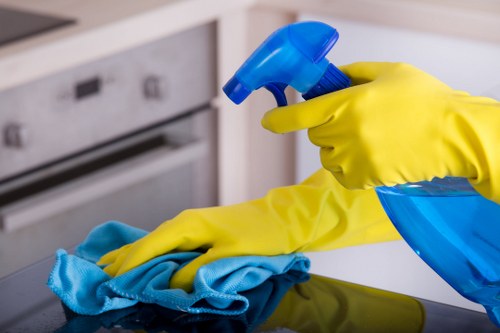
Understanding the sources of dirt helps you build a better mattress cleaning routine. A mattress absorbs more than most people think. Every time you sleep, sweat and body oils transfer into the fabric layers. Even if you shower before bed, natural skin oils still accumulate.
Dust mites are another major factor. These tiny organisms feed on skin flakes and tend to thrive in warm, humid bedding environments. While invisible to the eye, they are a common reason people search for mattress cleaning solutions, especially when dealing with sneezing, congestion, or itchy skin.
Other common contaminants include food crumbs, pet dander, accidental spills, makeup stains, and humidity-related odors. Over months and years, these materials can settle deep into fibers and foam. That is why mattress cleaning should be part of regular home maintenance, not something reserved only for emergencies.
Common mattress contaminants include:
- Dust and dust mites
- Dead skin cells
- Sweat and body oils
- Pet hair and dander
- Food and drink spills
- Odors from moisture or mildew
- Stains from makeup, ink, or lotions
How Often Should Mattress Cleaning Be Done?

The ideal mattress cleaning schedule depends on your lifestyle, but most homes benefit from a light cleaning routine every month and a deeper cleaning every 3 to 6 months. If you have allergies, pets, or young children, more frequent mattress cleaning may be necessary.
A monthly routine often includes vacuuming, spot treatment, and airing out the mattress. Deeper cleaning might involve deodorizing, stain removal, and more detailed care for the surface and seams. Regular mattress cleaning is much easier than trying to rescue a heavily soiled bed later.
It is also wise to clean a mattress immediately after spills or accidents. The longer a stain sits, the deeper it can penetrate. Quick action can prevent permanent damage and reduce lingering odor. For busy households, a simple calendar reminder can make mattress cleaning much easier to stay on top of.
Suggested cleaning frequency
- Weekly: Change sheets and inspect for stains or odors
- Monthly: Vacuum and spot clean the mattress surface
- Every 3-6 months: Perform deeper mattress cleaning and deodorizing
- As needed: Treat spills, pet accidents, and stains immediately
Step-by-Step Mattress Cleaning at Home
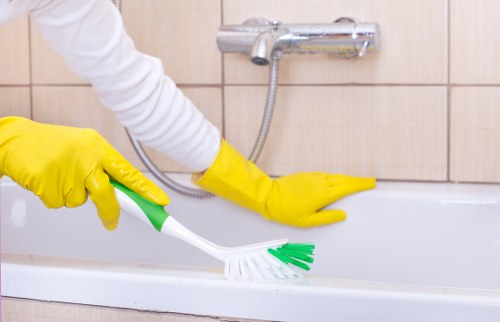
Home mattress cleaning can be straightforward when you follow a structured process. Start by stripping the bed completely. Remove sheets, pillowcases, mattress protectors, and blankets so the entire surface is exposed. Wash bedding separately while you work on the mattress.
Next, vacuum the mattress thoroughly using an upholstery attachment. Focus on seams, edges, tufts, and corners where dust and debris settle. This step is essential for effective mattress cleaning because it removes loose particles before deeper treatment begins.
After vacuuming, inspect the mattress for stains, odors, or damp areas. Spot cleaning can be done with gentle solutions such as mild dish soap and water, or a fabric-safe stain remover. Use a light touch and avoid oversaturating the mattress. Excess moisture can lead to mildew or prolonged drying times.
Basic mattress cleaning steps
- Strip all bedding and wash it
- Vacuum the entire mattress surface
- Treat stains with a suitable cleaner
- Blot, never soak, the area
- Allow the mattress to air dry completely
- Deodorize with baking soda if needed
For odor control, sprinkle a thin layer of baking soda over the mattress and let it sit for several hours. Baking soda helps absorb moisture and neutralize smells. Then vacuum it away thoroughly. This simple mattress cleaning method works well for freshening a bed between deeper cleans.
Best Methods for Removing Common Mattress Stains

Different stains require different mattress cleaning techniques. Using the wrong method can set a stain deeper or damage delicate fabrics. The best approach is to identify the stain first and then use the gentlest effective solution.
For sweat stains, a mix of mild soap and water or a light upholstery cleaner often works well. For urine stains, especially from children or pets, enzymatic cleaners are typically preferred because they break down odor-causing compounds. Blood stains should be treated with cold water instead of hot water, since heat can set protein-based stains.
Food and drink spills should be blotted immediately. Avoid rubbing, as that spreads the stain. Makeup and lotion marks may require a small amount of gentle cleanser and repeated blotting. In every case, careful mattress cleaning protects the material while improving results.
Stain-specific tips
- Sweat: Use mild soap, then deodorize
- Urine: Apply an enzymatic cleaner quickly
- Blood: Blot with cold water only
- Coffee or juice: Blot, treat, and dry thoroughly
- Oil or makeup: Use a small amount of gentle detergent
Important: Always test any cleaner on a small hidden area first. Mattress cleaning should remove the stain without compromising the fabric or foam structure.
Why Odor Removal Is a Key Part of Mattress Cleaning
Even if a mattress looks clean, odors can signal trapped moisture, sweat, or bacteria. Mattress cleaning is not complete unless it addresses smell as well as visible dirt. A mattress that smells stale or musty can make the whole bedroom feel less inviting.
Odor removal often starts with drying and ventilation. If possible, open windows and allow fresh air to circulate through the room. Sunlight can help neutralize some smells, though you should never leave a mattress in conditions that risk moisture damage or fading. Baking soda is a reliable deodorizer, and fabric-safe sprays can add a lighter fresh scent if needed.
Persistent odors may indicate deeper issues such as mildew, liquid saturation, or heavy contamination. In those cases, professional mattress cleaning may be the best option. Do not ignore lingering odors; they often mean the mattress needs more than a surface refresh.
Odor control strategies
- Air out the mattress regularly
- Use baking soda for neutralizing smells
- Wash bedding frequently
- Keep the room well ventilated
- Use a mattress protector to reduce future odor buildup
How to Protect Your Mattress After Cleaning
Once your mattress cleaning is done, the next step is protection. A clean mattress will stay cleaner longer with the right preventative habits. The most important addition is a high-quality mattress protector. This barrier helps block spills, sweat, dust, and allergens from reaching the mattress surface.
Regular bedding care also matters. Wash sheets and pillowcases weekly, and clean blankets or duvet covers on a schedule that suits your household. A fresh set of sheets supports mattress cleaning efforts by reducing the amount of debris that can transfer back onto the bed.
Rotate or flip the mattress if the manufacturer recommends it. This can help distribute wear more evenly and reduce indentations. Also avoid eating in bed when possible, as crumbs and spills are common reasons people need extra mattress cleaning.
Protection tips that extend mattress life
- Use a waterproof mattress protector
- Wash bedding regularly
- Avoid heavy moisture during cleaning
- Rotate the mattress when appropriate
- Keep pets off the bed if allergies are a concern
When Professional Mattress Cleaning Makes Sense
While home methods work well for routine upkeep, some situations call for professional mattress cleaning. If the mattress has deep stains, strong odors, mold concerns, or repeated accidents, a professional service can often achieve better results with specialized equipment and cleaning agents.
Professional mattress cleaning is also useful if the mattress is expensive, made of delicate materials, or difficult to dry thoroughly at home. Certain foam and hybrid mattresses need careful moisture control, and professional technicians are trained to clean without causing unnecessary damage.
Another advantage is time. Busy households may not have the hours needed for detailed stain treatment, drying, and deodorizing. In such cases, professional mattress cleaning can restore freshness faster and more efficiently. Book your service now if the mattress needs more than a routine surface clean.
Situations where professional help is ideal
- Deep-set stains that do not respond to home treatment
- Persistent odors or mildew smells
- Allergy-sensitive homes needing thorough sanitation
- Mattresses exposed to pet accidents or flooding
- High-end mattresses requiring careful handling
Mattress Cleaning for Allergy Relief and Better Sleep
People with allergies often notice a real difference after regular mattress cleaning. Dust mites, pet dander, and accumulated dust can irritate the nose, eyes, and skin. By reducing those irritants, mattress cleaning may help create a more comfortable sleep environment.
Fresh bedding alone is helpful, but it does not solve everything if the mattress itself is filled with allergens. That is why a layered approach works best: vacuum the mattress, wash the bedding, use allergen-proof covers, and keep humidity under control. This routine supports cleaner air in the sleeping area and can make bedtime feel noticeably better.
If you wake up congested, itchy, or with a dry throat, your mattress may be part of the problem. Mattress cleaning can be one piece of a broader strategy that includes air filtration, regular vacuuming, and minimizing bedroom clutter. A cleaner bed often means a cleaner rest.
Allergy-friendly sleep habits
- Vacuum the mattress and bedroom regularly
- Use washable, allergen-resistant bedding
- Control indoor humidity levels
- Replace old pillows when needed
- Keep pets and dust sources to a minimum
DIY Mattress Cleaning Mistakes to Avoid
Even well-intentioned cleaning can go wrong if the process is rushed. One common mistake is using too much water. Mattresses are thick and absorbent, so over-wetting them can cause mold, mildew, or long drying times. Another mistake is scrubbing aggressively, which can push stains deeper into the fibers.
People also sometimes use harsh chemicals that leave residues or damage materials. Strong bleach-based products are rarely suitable for mattress cleaning unless specifically approved for the surface. Fragranced products can also irritate sensitive sleepers if used too heavily.
Skipping the drying step is another major error. A mattress should be fully dry before bedding goes back on. If it still feels cool or damp, give it more time to air out. Careful mattress cleaning means patience, not shortcuts.
Avoid these common mistakes
- Soaking the mattress with too much liquid
- Using harsh or untested chemicals
- Scrubbing stains too aggressively
- Rebedding the mattress before it is dry
- Ignoring odors that signal deeper contamination
Building a Simple Mattress Cleaning Routine That Sticks
The best mattress cleaning routine is the one you can maintain consistently. You do not need complicated tools or a long list of products. What matters most is creating a repeatable process that fits your home and schedule.
Start with weekly sheet washing, then add monthly vacuuming and quick inspections. Keep a small cleaning kit handy with a microfiber cloth, baking soda, mild detergent, and a safe stain remover. That way, you can respond immediately to spills and maintain better control over odors and buildup.
Over time, mattress cleaning becomes less of a task and more of a habit. The result is a fresher bed, a more comfortable bedroom, and better long-term mattress care. If your mattress has not been cleaned in a while, now is the right time to begin. Contact us today or take the next step toward a cleaner sleep space and healthier nights.
Simple routine checklist
- Wash bedding every week
- Vacuum the mattress once a month
- Spot clean stains immediately
- Deodorize with baking soda when needed
- Schedule deeper mattress cleaning seasonally
Final thought: Mattress cleaning is not just maintenance. It is an investment in comfort, hygiene, and better sleep quality. When you care for your mattress consistently, it cares for you in return.