Insurance and Safety
 Insurance and safety are central to every professional service that involves people, property, and practical work. A strong insurance and safety framework helps reduce uncertainty, protect everyone involved, and maintain consistent standards on every job. Whether a project is routine or more complex, the right controls support safe delivery and peace of mind. For this reason, public liability insurance, structured staff training, suitable PPE, and a clear risk assessment process all work together as part of a reliable approach.
Public liability insurance is an essential safeguard because accidents can happen even when a team is careful. It is designed to provide financial protection if third-party injury or property damage occurs during work activities. By maintaining appropriate cover, an insured and safety-conscious business can operate with greater confidence. This protection is especially important in environments where tools, equipment, or access arrangements may create unexpected hazards.
Alongside cover, insurance and safety standards depend heavily on preparation and competence. Staff members are trained not only in task performance but also in hazard recognition, emergency response, and safe working behaviour.  Training is refreshed regularly so that good habits remain current and consistent. This commitment helps ensure that every team member understands how to identify risks early and act responsibly in changing conditions.
Our approach to safety begins before any work starts. A risk assessment process is carried out to identify possible hazards, evaluate the likelihood of harm, and determine suitable control measures. This process considers the working environment, the nature of the task, the tools being used, and the people who may be affected. By documenting findings clearly, the team can make informed decisions and work methodically.
Control measures are then matched to the risks identified. These may include access restrictions, safe handling practices, equipment checks, supervision, or separation of people from active work areas. When risks are higher, extra precautions are introduced to reduce exposure further. This practical method supports health and safety insurance awareness because it reduces the chance of incidents that could affect workers, clients, or members of the public.
At the heart of effective safety performance is the use of appropriate PPE.  Personal protective equipment may include gloves, high-visibility clothing, helmets, eye protection, hearing protection, or safety footwear, depending on the task. PPE is selected carefully so it matches the hazards present and supports the work rather than restricting it. It is also checked before use, maintained properly, and replaced when necessary to preserve its effectiveness.
While PPE is important, it works best as part of a broader system rather than as the only safeguard. The strongest insurance and safety planning combines equipment, supervision, communication, and correct procedures. Staff are encouraged to report hazards immediately, pause work if conditions change, and follow site-specific instructions at all times. This culture of awareness helps keep standards high and reduces the possibility of avoidable incidents.
Regular reviews are another key part of the process. Risks may change as a project develops, so the original assessment is revisited whenever new hazards appear or the scope of work changes. 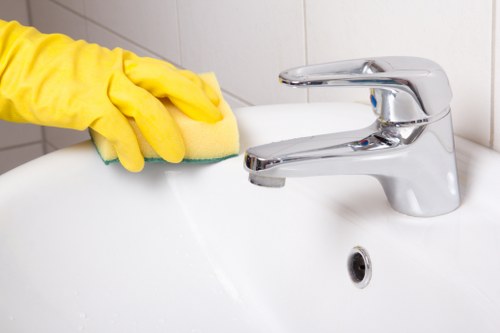 This dynamic approach ensures that safety measures stay relevant and that public liability cover remains supported by sensible working practices. Good review habits also help teams learn from near misses and improve future planning.
Every successful operation relies on consistency. In practical terms, that means using insured working methods, maintaining clean and organised work areas, and ensuring that all safety steps are completed before, during, and after each task. Documentation is kept where needed so that decisions can be tracked and procedures can be followed with clarity. This level of organisation helps build trust in the process and supports responsible service delivery.
Insurance and safety are not separate ideas; they are closely connected elements of professional accountability. When a business invests in training, PPE, and risk management, it is better positioned to prevent harm and respond effectively if something unexpected occurs. Public liability insurance provides the financial back-up, while safe working practices help reduce the likelihood of a claim arising in the first place.
 A careful, well-managed approach benefits everyone involved. Clients gain reassurance that work is being completed responsibly, staff gain the guidance they need to stay safe, and the business benefits from dependable systems that support long-term stability. By combining public liability protection, detailed risk assessments, regular staff training, and suitable PPE, the organisation creates a stronger and more resilient safety culture.